FAT TAX
Taxes on foods that are high in fat, salt or sugar (HFSS) reduce the sale, purchase and consumption of those foods, according to a new study | This can lead to lower rates of obesity and other diet-related health problems, especially when taxes are combined with subsidies for healthier foods.
The study brings up subsidies to reduce the cost on healthier options. Otherwise, it hits the lowest income the hardest. They even bring up the idea of ideally using the taxes from unhealthy items to subsidize the cost of healthy ones.
Lumping fat and salt in with sugar seems par for the course and hilariously disingenuous, another win for the sugar companies.
Especially since there’s no separation by type of fats or salts here – you NEED potassium to function, you need sodium, you need every electrolyte. Yes, underlying health conditions can make you sensitive to sodium, but there’s a reason every high-quality study says it’s impact on health is irrelevant so long as you are getting enough (and don’t have a contraindication). learn more
Abstract
Several countries have introduced public health product taxes with the objective of reducing the absolute amount of consumption of unhealthy food and tackling obesity. This study aims to estimate the long-term impact of the Hungarian public health product tax introduced in 2011.
To achieve this, a unique consumer purchase dataset was analysed to examine daily fast-moving consumer goods purchases from a representative sample of 2,000 households from 2010 to 2018. The results indicate that the tax has been fully reflected in consumer prices. A decline in consumption was observed initially, consistent with previous experiences in Hungary and other countries. However, over time, the data suggests a recovery and even an increase in line with the growth of disposable income. The proportion of taxed products in total fast-moving consumer goods purchases increased from 5.9 % (95 % CI: 5.7 % to 6.0 %) in 2010 to 7.4 % (95 % CI: 7.3 % to 7.6 %) in 2018. Furthermore, the tax has contributed to increased inequality as low-income households spend a higher proportion of their total expenditure on it.
Although taxes on unhealthy foods have proven effective in the short-term, they may not be adequate for reducing overall consumption in the long-term, particularly as disposable income increases. In conclusion, implementing complex interventions is necessary to achieve sustainable positive changes in dietary habits.

HIGHLIGHTS
- Taxing unhealthy foods is becoming widespread as a means of reducing consumption.
- Based on the Hungarian experience, taxation alone is insufficient to reduce long-term consumption.
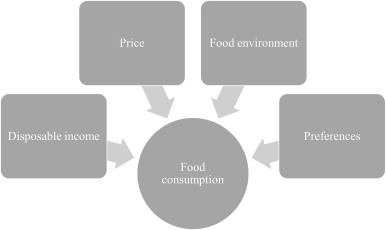
- Consumption is sustained by dietary habits, food environment, and growing income.
- Complex interventions can drive sustainable positive and lasting changes in consumption and reduce inequality.